Emergency HVAC Services
No heat or no cooling in East Central Indiana? Emergency HVAC service available weekends for Yorktown, Muncie and surrounding towns. Call 765-722-TOWN.
No Heat or No Cooling Right Now
If your furnace is out in February or your air conditioner quit during a heat advisory, call 765-722-TOWN. We keep emergency availability on Saturdays and Sundays alongside our regular Monday through Friday hours, 8:00 AM to 5:00 PM, for homeowners across Yorktown, Muncie, Daleville, Anderson, Pendleton, New Castle and the surrounding East Central Indiana communities.
Below is what counts as an emergency, what to do while you wait, and what happens when we arrive.
What Counts as an HVAC Emergency
Not everything needs a weekend call, and we will tell you honestly if yours can wait until Monday at a lower cost. These cannot.
Call immediately
- You smell gas. Leave the house first, then call your gas utility from outside. Do not flip switches or use the garage door opener. Call us after the utility has made the property safe.
- Your carbon monoxide alarm is sounding. Get everyone outside and call 911. CO is odorless, and a cracked heat exchanger or blocked flue is a genuine danger, not an inconvenience.
- Burning or electrical smell from the equipment. Shut the system off at the thermostat and the breaker.
- Smoke, sparking or scorch marks at the unit. Breaker off, then call.
Emergency service, same urgency, no immediate danger
- No heat when it is below freezing. Risk to occupants and risk of frozen pipes.
- No cooling during extreme heat, particularly with infants, older adults, or anyone with a heart or respiratory condition in the house.
- Water actively leaking from the system. A blocked condensate drain can reach drywall, flooring and framing in hours.
- The system trips the breaker every time it starts. Stop resetting it. Repeated resets on a real fault are a fire risk.
- Loud grinding or metal-on-metal noise. Shut it down before a failing bearing takes the motor with it.
Usually can wait for a scheduled visit
- One room warmer or cooler than the rest.
- Higher-than-usual energy bill with the system otherwise running normally.
- A thermostat that needs reprogramming.
- Mild noise that has not changed in months.
- A filter that needs changing.
What to Do Before We Arrive
No heat
- Check the thermostat is set to heat and the batteries are good. It is not always the furnace.
- Check the breaker, and the service switch near the furnace, which looks like a light switch and gets flipped by accident more often than you would think.
- Check the filter. A completely blocked filter can trip a limit switch and shut the system down.
- Below freezing, open cabinet doors under sinks on exterior walls and let a faucet drip to reduce the chance of frozen pipes.
- Close off unused rooms, keep the household in one area, and use blankets rather than an unvented space heater or the oven.
No cooling
- Check the thermostat setting and the breaker for both the indoor and outdoor units.
- Look at the refrigerant line at the indoor unit. If it is iced over, turn the system to off and the fan to on, and leave it. Running a system with a frozen coil can destroy the compressor.
- Close blinds on the sun side, run ceiling fans, and move to the lowest floor.
- Drink water and check on elderly neighbors. Heat illness builds gradually.
What Happens on an Emergency Call
Tell us what the system is doing, what you have already checked, and whether anyone in the house is medically vulnerable. We will give you a realistic arrival window rather than an optimistic one. The first cold snap of winter and the first heat wave of summer are the busiest hours of our year, and we would rather be accurate than reassuring.
On arrival, the technician diagnoses the failure, explains it in plain language, and quotes the repair before starting. Where a part is not on the truck, we will tell you what it takes to get the system running and what the interim option is. If the honest answer is that the equipment is finished, we will say that too and talk through replacement rather than sell you a repair that will not hold.
Emergencies by Equipment Type
What you should check, and what you should leave alone, depends on what is in the basement or beside the house.
Gas furnace
Most no-heat calls come down to ignition: a dirty flame sensor, a failed igniter, or a safety control doing its job. You can check the thermostat, the breaker, the service switch and the filter. Do not bypass a safety switch, and if the furnace lights and then shuts down repeatedly, stop resetting it and leave it off. That cycle is the system telling you something is wrong, and repeated resets on a real fault are how small problems become dangerous ones.
Heat pump
Some frost on the outdoor coil in winter is normal, and the unit clears it on a defrost cycle. A unit encased in solid ice is not normal. Turn the system off and call. Do not chip at the ice with anything — the coil and refrigerant lines are thin and easy to puncture, which turns a service call into a replacement. If the house is heating but the bills have jumped, the system may be running on auxiliary strip heat, which is expensive and worth a call even though nothing looks broken.
Air conditioner
If the indoor coil or refrigerant line is iced over, set the system to off and the fan to on and leave it. Running a compressor against a frozen coil is one of the reliable ways to destroy it. Check the breaker for both the indoor and outdoor units, and check the filter. If the outdoor fan is not turning while the unit hums, shut it off at the breaker rather than letting it sit and strain.
Boiler
Check system pressure on the gauge, which normally sits around 12 to 15 psi when cold. If the relief valve is discharging water, shut the boiler down and call. Never cap, plug or block a relief valve — it is the safety device that stops a pressure vessel becoming dangerous. Cold radiators with a running boiler usually mean trapped air or a circulator problem.
Ductless mini-split
Check that the indoor filters are not blocked and that the outdoor unit is clear of snow and debris. Most ductless faults show as an error code on the head or the remote. Write the code down before you call — it shortens the diagnosis considerably.
Staying Safe Until We Arrive
More people are harmed by the improvised heating than by the cold itself. If the house is without heat, this is the part that matters most.
- Never heat a home with a gas oven, range, charcoal grill or propane heater intended for outdoor use. These produce carbon monoxide indoors. It is odorless, it accumulates, and it is the single most dangerous thing people do during a no-heat night.
- Generators run outdoors only, well away from windows, doors and vents. Never in a garage, even with the door open.
- Space heaters plug directly into a wall outlet — not an extension cord or power strip. Keep three feet of clearance from bedding, curtains and furniture, keep them off while you sleep, and do not leave them running in an empty room.
- Check that carbon monoxide alarms are working and that there is one on every level and near sleeping areas. If one sounds, get everyone outside first and call 911 from outside.
- Protect the plumbing. Open cabinet doors under sinks on exterior walls, let a faucet drip, and know where the main shutoff is. Never thaw a pipe with an open flame.
- Close the house down to one area. Shut doors to unused rooms, close blinds at night, and keep the household together in the most sheltered space.
- Check on neighbors. Older adults and anyone living alone are the people who get into trouble quietly during a cold snap or a heat wave.
When the Honest Answer Is Replacement
Sometimes the equipment is finished, and the worst possible time to decide that is standing in a cold house at nine at night. We will tell you plainly where a system stands, and we will not sell you a repair we do not believe will hold.
The things that push toward replacement rather than repair are a cracked heat exchanger, a failed compressor, a system on a refrigerant that is no longer produced, or a repair cost that is approaching a meaningful share of a new system on equipment already past its expected life. Age alone is not a reason, and we will say so when the repair is the better value.
If replacement is the right answer, the immediate question is still tonight. Where it is safe to do so we will get the system running well enough to get you through, or help you arrange interim heat, and then quote the replacement properly in daylight when you can compare options without pressure.
What Affects the Cost of an Emergency Call
We tell you the rate on the phone before we come out. What moves it is straightforward: whether the call is after hours, on a weekend or on a holiday, what the diagnosis turns up, and whether the part is on the truck or has to be ordered.
What does not happen is a price that changes once we are in your basement. The diagnosis is explained and the repair is quoted before any work starts, and if the cheaper path is waiting until Monday, we will tell you that even though it is a smaller job for us.
Why Systems Fail at the Worst Time
It is not coincidence. Equipment fails when it is working hardest, which is exactly when the weather is extreme. A marginal capacitor carries the load in April and gives up at 95 degrees. A dirty flame sensor lights the furnace in October and will not in January.
That is the argument for maintenance: nearly every emergency we attend was detectable months earlier. A seasonal tune-up before each season is the cheapest insurance against a weekend call, and if you want the equipment assessed in depth, a system inspection or emergency diagnostic gets you a complete picture.
Frequently Asked Questions About Emergency HVAC Service
Do you offer 24-hour service?
Our regular hours are Monday through Friday, 8:00 AM to 5:00 PM, and we keep emergency availability on Saturdays and Sundays. Call 765-722-TOWN and we will tell you honestly when we can be there.
Does emergency service cost more?
After-hours and weekend calls carry a different rate than a scheduled weekday visit. We tell you what it is on the phone, before we come out, not when we are standing in your basement.
Is no heat actually an emergency?
In an Indiana winter, yes. Beyond the discomfort, an unheated house risks frozen and burst pipes, and prolonged cold is a real health risk for infants, older adults and anyone with a chronic condition.
My AC is frozen solid. Can I just wait for it to thaw?
Turn the system to off and the fan to on to help it thaw, and do not run cooling until it has. But the ice is a symptom, not the problem. It is caused by restricted airflow or low refrigerant, and it will come back until the cause is fixed.
What if I smell gas?
Leave the house immediately. Do not use light switches, appliances or your phone inside. Call your gas utility from outside. Once the property is safe, call us for the HVAC repair.
Can you fix it on the first visit?
Most of the time. Common failure parts travel on the truck. Less common components may need to be ordered, and we will tell you the timeline and whether there is a safe interim option to get you through.
Which towns do you serve for emergencies?
Yorktown, Muncie, Daleville, Albany, Selma, Eaton, Gaston, Chesterfield, Anderson, Pendleton, New Castle, Hartford City, Winchester, Farmland and Parker City. See our service areas.
How fast can you actually get here?
It depends on the hour and the weather. During the first hard freeze of winter or a heat advisory in July we are taking calls continuously, and we would rather give you an honest window than an optimistic one you plan your evening around. Tell us if anyone in the house is medically vulnerable, elderly or very young, and that changes where you sit in the order.
Should I keep resetting the breaker?
No. A breaker that trips once may be nothing. A breaker that trips every time the system starts is doing its job, and repeatedly forcing it back on against a real fault is a genuine fire risk. Leave it off and call.
Is it cheaper to wait until morning?
Often, and we will tell you when that is the case. If the house is safe and the failure is not causing damage, waiting for a scheduled visit costs less. If it is below freezing, if water is running somewhere it should not, or if anyone in the house is at risk, it is not worth saving.
My system is still under warranty. Does that cover an emergency call?
Parts warranties usually cover the part, not the labor or the after-hours rate, and most require documented annual maintenance to stay valid. Bring the paperwork out when we arrive and we will tell you what applies.
Call Now
If the house is too cold or too hot to be safe, do not wait for business hours. Call 765-722-TOWN, or send us a message for anything that can wait for the next available appointment.
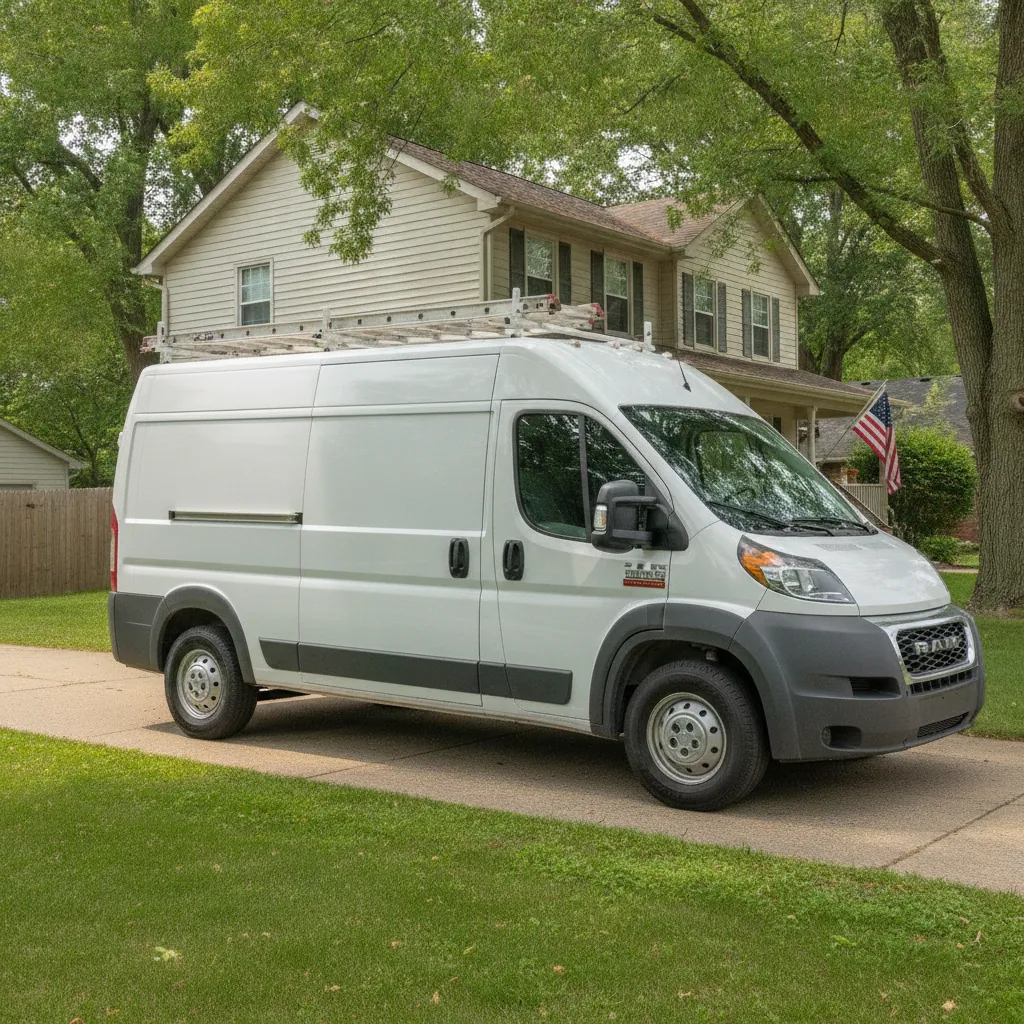
Service in Hours, Not Days
Free estimates on new systems and fast, reliable service from your local Hometown team.