Heating Emergency Repair in Farmland, IN
Swift heating emergency repair in Farmland, IN. Our experts restore warmth, prevent frozen pipes, and ensure your safety. Call today!
Heating Emergency Repair in Farmland, IN
Has your furnace suddenly quit, leaving your Farmland home or business in the freezing cold, or are you hearing alarming grinding noises and smelling burning electrical odors? Ignoring these urgent signs can quickly escalate from uncomfortable to dangerous, risking frozen pipes, compromised indoor air quality, or complete system failure when you need warmth the most. Hometown Heating & Cooling understands the urgency of a heating emergency, and our expert technicians are ready to diagnose the problem and restore safety to your property swiftly.
Key Signs Your Heating System Needs Emergency Repair
Complete Loss of Heat
When you adjust your thermostat and nothing happens, or the vents only blow cold air, you are facing a total system failure. This usually points to a major component breakdown, such as a failed blower motor, a broken gas valve, or a tripped high-limit safety switch that has locked the system down out of precaution. A furnace or boiler that refuses to generate heat requires immediate professional diagnostics to pinpoint the exact electrical or mechanical fault.
Beyond the immediate discomfort of a freezing room, a complete lack of heat poses severe risks to your property. In older homes or agricultural outbuildings, dropping indoor temperatures can lead to frozen water lines that eventually burst, causing catastrophic water damage. Restoring your heat quickly is about protecting your plumbing infrastructure just as much as it is about keeping your family or employees comfortable.
Strange Odors Like Gas or Burning
Smelling raw natural gas or a sulfur-like "rotten egg" odor near your furnace is an absolute emergency that requires you to evacuate the area immediately. This indicates a highly dangerous gas leak somewhere in the supply line or the valve assembly, posing an immediate risk of fire or explosion. Never attempt to locate a gas leak yourself, as even a small spark from a light switch can ignite the fumes.
Burning odors, such as the smell of melting plastic or scorching electrical wires, are equally alarming and demand an immediate system shutdown. These smells typically mean a motor is actively overheating, a wire has short-circuited, or debris has fallen into the burner area and caught fire. Continuing to run a system that smells like it is burning will inevitably lead to a severe electrical fire or permanent damage to the unit's internal wiring harness.
Unusual Grinding, Banging, or Squealing Noises
Modern heating equipment is designed to operate relatively quietly, so any sudden, aggressive noise is a cry for help from the internal machinery. A loud grinding sound usually means the bearings inside the blower motor have completely worn out, causing metal to scrape against metal. High-pitched squealing often points to a frayed or slipping fan belt that is about to snap, which will immediately stop all airflow through your ductwork.
Banging or booming noises when the system turns on are particularly concerning for gas furnaces. This symptom is known as delayed ignition, which happens when gas builds up in the combustion chamber before finally igniting with a small, contained explosion. Over time, these repeated explosions can actually crack your heat exchanger, leading to a dangerous carbon monoxide leak inside your living space.
Pilot Light and Ignition Failures
If you have an older gas furnace, you might notice that the standing pilot light keeps blowing out or refuses to stay lit no matter how many times you reset it. This is frequently caused by a failing thermocouple, which is a safety device that shuts off the gas valve if it cannot detect a flame. A clogged pilot orifice or a strong draft in your utility room can also prevent the flame from holding steady.
Newer heating systems use electronic ignition systems instead of standing pilot lights, but these are also prone to sudden failures. A dirty flame sensor will fail to register that the burners have ignited, prompting the control board to shut the gas off immediately as a safety precaution. A cracked hot surface ignitor will fail to glow hot enough to light the gas, leaving your system completely disabled until the part is replaced.
Severe Inconsistent Heating and Cold Spots
While a single drafty room might just be an insulation issue, sudden and severe temperature drops in specific areas of your building point to a failing HVAC system. This often happens when a failing blower motor loses the power necessary to push conditioned air all the way to the furthest reaches of your ductwork. It can also indicate that critical dampers within your duct system have become stuck or damaged.
Inconsistent heating forces your system to run longer and work harder to satisfy the thermostat, which accelerates the wear and tear on all moving parts. If left unaddressed, a system that is struggling to distribute air will eventually overheat and trigger an emergency shutdown. Fixing airflow and distribution issues early prevents a much larger, more expensive breakdown during a harsh winter freeze.
Common Causes of Heating Breakdowns
Aging Equipment and Heavy Wear
Heating systems endure an incredible amount of stress, and units that are over a decade old simply begin to wear out from the sheer volume of work they have performed. Critical components like heat exchangers, draft inducer motors, and electronic control boards degrade over time due to constant heating and cooling cycles. Eventually, the metal fatigues, electrical relays stick, and the system fails to operate safely.
Many properties in Farmland rely on older heating systems that have battled through decades of demanding Indiana winters. The continuous, heavy usage required to combat sub-zero temperatures accelerates the deterioration of internal parts. When multiple components begin to fail simultaneously due to old age, you are highly likely to experience a sudden emergency breakdown.
Overlooked System Maintenance
Skipping annual professional tune-ups is one of the fastest ways to guarantee an unexpected heating failure in the middle of winter. Without regular cleaning and lubrication, dirt builds up on sensitive mechanical parts, causing excess friction that leads to overheating and premature motor death. Soot and combustion byproducts also accumulate on the burners, reducing efficiency and creating a fire hazard.
The rural environment can also contribute to faster buildup of agricultural dust and debris inside your HVAC equipment. When a professional does not inspect and calibrate your system regularly, minor issues like a loose wire or a slightly misaligned belt go unnoticed until they snap entirely. Preventative care is the only reliable way to catch these small problems before they turn into a freezing emergency.
Electrical and Thermostat Malfunctions
Your furnace or boiler relies on a complex network of electrical connections to operate, and a failure anywhere in this chain will stop the heat immediately. Faulty wiring, a blown fuse on the control board, or a tripped circuit breaker in your main electrical panel are incredibly common culprits for sudden shutdowns. Sometimes, the vibrations from the furnace running can actually shake internal wire nuts loose over time.
The thermostat acts as the brain of your entire HVAC system, and if it stops communicating, the heating equipment will sit idle. A blank thermostat screen, dead batteries, or a faulty internal temperature sensor will prevent the signal for heat from ever reaching the furnace. Technicians always test the thermostat and control wiring first to ensure the problem isn't a simple communication error.
Severely Clogged Filters and Blocked Airflow
A clogged air filter is the most common, yet most easily preventable, cause of a heating emergency. When a filter becomes completely caked in dust, pet dander, and debris, it acts like a wall that suffocates the furnace and stops air from flowing through the return ducts. The blower motor has to work twice as hard to pull air through this blockage, which causes it to overheat and fail.
When airflow is severely restricted, the heat generated by the burners cannot be pushed out into your ductwork fast enough. This causes the internal temperature of the furnace to skyrocket, eventually tripping the high-limit safety switch to prevent a house fire. If the system repeatedly trips this switch due to poor airflow, it will eventually enter a hard lockout mode that requires a professional reset.
What to Expect During Your Service Visit
When our technician arrives at your door, you are getting the discipline and precision of a veteran-owned business combined with the care of a local family operation. We start by listening carefully to exactly what you experienced, noting any strange sounds, smells, or thermostat behaviors before we ever open the unit. As a Certified Elite Heil Dealer, our technicians carry advanced diagnostic tools that allow us to pinpoint the exact electrical or mechanical failure with total accuracy.
Once we open the cabinet, we systematically check all electrical connections, test safety limit switches, and evaluate the combustion process to ensure nothing is overlooked. We inspect the heat exchanger for dangerous cracks, test the blower motor's amperage, and verify that your gas pressure is set to safe, optimal levels. Our goal is to find not just the broken part, but the underlying reason why that part failed in the first place.
After we diagnose the root cause, we sit down with you to explain the situation in plain language, providing a clear, upfront estimate before any wrenches turn. If your equipment is exceptionally old or severely damaged, we even provide free replacement quotes so you can evaluate all your options without financial pressure. Hometown Heating & Cooling prioritizes your safety and comfort above all else, ensuring the repair is done right the first time.
Related Services You May Need
If your diagnostic reveals that your current unit has a cracked heat exchanger or a seized compressor, investing in Heating Installation & Replacement might be the smartest financial decision. For systems that are repaired successfully, we highly recommend scheduling a routine Heating Maintenance & Tune-Up to clean the internal components and prevent another unexpected failure. If your home suffers from poor airflow even when the furnace is running perfectly, Air Duct Cleaning Services can remove the hidden blockages causing the restriction.
The True Cost of Delaying Repairs
Delaying an emergency heating repair is a gamble that almost always results in more extensive property damage and higher repair bills. A furnace that is making grinding noises or short-cycling is actively destroying its own internal components, turning a simple belt replacement into a catastrophic motor failure. The longer a struggling system operates, the more stress it places on the heat exchanger, which is the most expensive part of the entire unit to replace.
More importantly, ignoring warning signs like strange odors or banging noises puts your physical safety at extreme risk. A failing gas furnace can easily leak deadly, odorless carbon monoxide into your living space, or start an electrical fire inside the ductwork. Taking immediate action when your system shows signs of distress protects your property from frozen pipes and keeps your environment safe from combustion hazards.
Ready to Restore Your Heat
Do not let a broken furnace leave you shivering in the cold while you worry about the safety of your property. Hometown Heating & Cooling is equipped to handle the most complex heating failures with professionalism, speed, and absolute transparency. Contact us right now to get an expert technician dispatched to your Farmland property and get your heat running smoothly again.
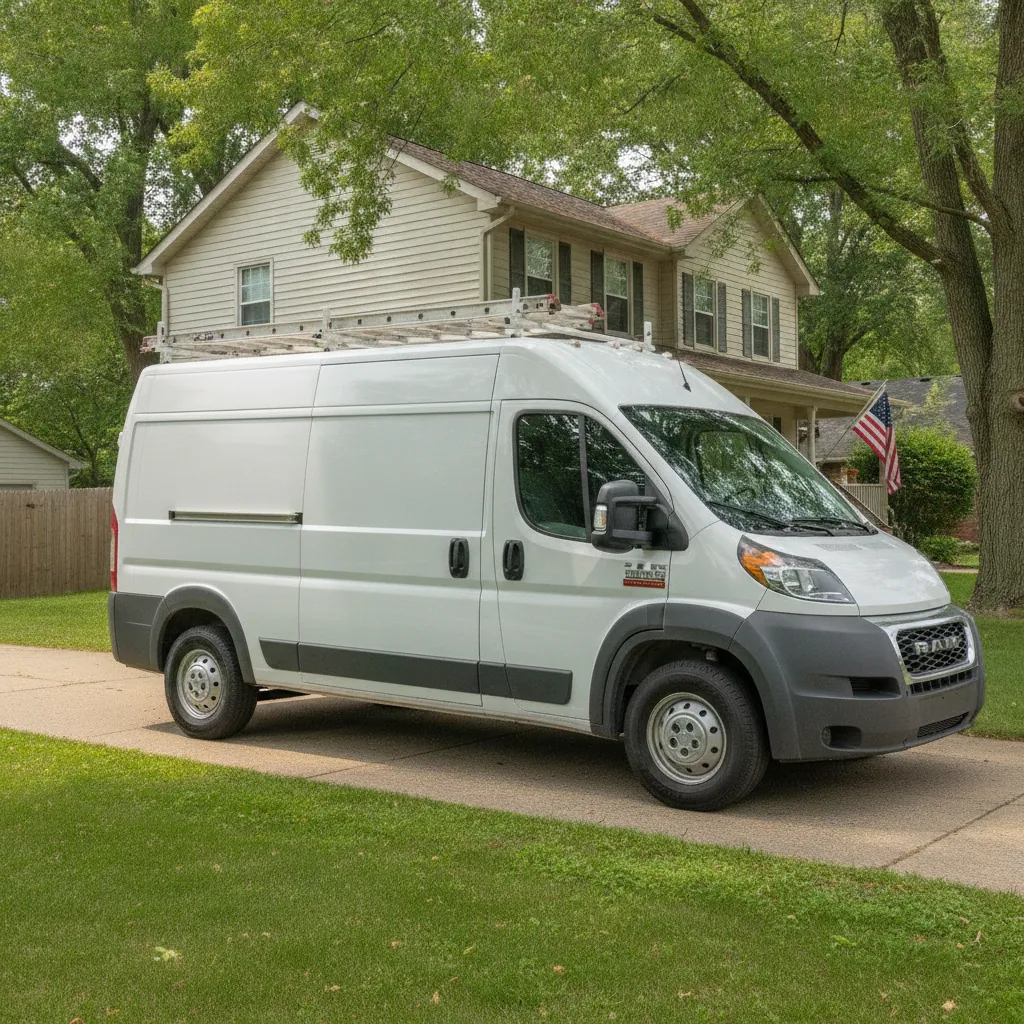
Service in Hours, Not Days
Free estimates on new systems and fast, reliable service from your local Hometown team.