Heating Inspection & Testing in Pendleton, IN
Pendleton, IN Heating Inspection & Testing for struggling systems. Diagnose high bills, cold spots, strange noises. Restore safety, efficiency. Schedule your as
Heating Inspection & Testing for Your Struggling Pendleton System
Are you noticing persistent cold spots in your Pendleton home even when the furnace runs constantly, or has your commercial property's heating bill skyrocketed while the system makes strange grinding noises? These are not just minor annoyances you have to live with; they are clear indicators that your heating equipment is struggling with an underlying safety or efficiency issue that requires professional attention. Before a small disruption turns into a complete system failure, Hometown Heating & Cooling is ready to provide the thorough assessment your equipment needs to restore reliable warmth.
Warning Signs Your Heating System Needs Testing
Unexpectedly High Heating Bills
You might notice that even though you keep the thermostat at the exact same setting, your monthly energy costs are significantly higher than they were in the past. For local businesses, this often looks like a sudden jump in operating costs without any change in building usage or occupancy. This usually means your heating equipment is working much harder than it should to maintain the temperature, losing heat inefficiently due to a failing part or heavy dirt buildup.
When a system loses its efficiency, it consumes far more fuel or electricity to produce the same amount of warm air. Ignoring this financial strain means you are essentially paying for wasted energy month after month. Eventually, the underlying strain causing these high bills will lead to a premature breakdown of your equipment.
Uneven Heating or Persistent Cold Spots
It is incredibly frustrating when certain rooms in your house feel noticeably colder than others, forcing you to bundle up in one area while another is perfectly comfortable. We see this frequently in older Pendleton homes with original ductwork, or in commercial spaces with large open layouts that demand precise airflow. Uneven heating means your system is overcompensating for cold areas, wasting energy and putting unnecessary strain on the furnace motor.
This symptom often points to hidden issues within your delivery system, such as crushed ducts, closed dampers, or deteriorating insulation. It can also mean your current furnace is improperly sized for the square footage it is trying to cover. A professional assessment will map out these temperature disparities and identify exactly where the airflow is being restricted.
Strange Noises or Odors from Your Furnace
Grinding, banging, squealing, or whistling noises coming from your utility room are never a normal part of operation. You might also notice unusual smells like burning dust, metallic odors, or even a faint rotten egg smell when the heat kicks on. Mechanical noises usually point to failing motor bearings, loose belts, or an unbalanced blower wheel that is shaking the cabinet.
Chemical or gas odors indicate serious safety hazards that require immediate intervention. While a brief dusty smell is common the very first time a system turns on after a long dormant period, persistent burning smells suggest electrical overheating. A rotten egg smell is the signature warning sign of a natural gas leak, which requires you to evacuate the area and call for professional testing immediately.
Frequent Cycling or Constant Running
Your furnace might seem to turn on and off much more frequently than usual, a process known in the industry as short cycling. Alternatively, it might run almost continuously without ever reaching the temperature set on your thermostat. Short cycling can be caused by something as simple as a severely clogged air filter or as complex as a faulty flame sensor shutting the burners down prematurely.
When a system runs constantly, it often points to severe heat loss in the building or an undersized unit struggling against demanding weather. Both of these scenarios are terrible for the lifespan of your equipment. The constant starting and stopping, or the endless running, puts massive wear and tear on the internal components and guarantees a shorter operational life.
Visible Wear and Tear or Rust
When you look at your furnace or boiler, you might spot rust, corrosion, visible cracks on metal components, or heavy, caked-on dust buildup. Rust often indicates ongoing moisture issues, poor ventilation, or water leaks that are slowly compromising the structural integrity of your system. In high-efficiency condensing furnaces, a blocked drain line can cause acidic condensation to back up and rust out the bottom of the cabinet.
Cracks, especially anywhere near the heat exchanger assembly, are a critical safety concern. The heat exchanger is the metal barrier that separates the breathable air in your home from the toxic exhaust gases created by burning fuel. If this component is cracked or heavily rusted, those dangerous gases can escape directly into your living space.
What's Causing Your Heating Problems
Dirty Air Filters and Coils
Over time, your system's air filters become completely clogged with dust, pet dander, and airborne particles, which severely restricts the airflow your furnace needs to operate. In areas with a mix of suburban and agricultural surroundings, outdoor dust and fine soil particles can cause filters and indoor coils to clog much faster than you might expect. When airflow is blocked, the internal components overheat, causing the system to shut down on a high-limit safety switch.
This lack of airflow also means the blower motor has to work twice as hard to pull air through the restricted filter. This extra electrical draw increases your utility bills and runs the risk of burning out the motor entirely. Regular filter replacements and professional coil cleanings are the primary solutions to this common issue.
Aging Components and General Wear and Tear
Like any hard-working mechanical system, internal parts such as the hot surface igniter, flame sensor, draft inducer motor, and heat exchanger simply wear out over years of consistent operation. The demanding periods of heavy use required by our local climate significantly accelerate this wear and tear on critical heating components. Many properties have systems that are simply reaching the natural end of their mechanical lifespan.
As these parts age, they lose their calibration and begin to operate outside of their safe design parameters. A failing igniter will cause the furnace to blow cold air, while a worn-out draft inducer will prevent the burners from igniting at all. A thorough inspection allows us to identify these deteriorating parts before they snap, seize, or fail entirely.
Ductwork Leaks or Blockages
Your ductwork can easily develop leaks at the joints, get crushed in tight attic spaces, or become clogged with debris and deteriorating insulation over the years. Many older properties have original ductwork that was never properly sealed, meaning a large portion of the air you pay to heat is escaping into unconditioned spaces. Testing the system helps us determine if the furnace itself is struggling or if the delivery system is simply failing to get the warm air where it belongs.
When ducts leak in an unconditioned space like a crawlspace, the system actually pulls cold, dirty air back into the house to replace what was lost. This creates drafts, increases the dust in your home, and makes the furnace run significantly longer to satisfy the thermostat. Professional diagnostic testing includes measuring the static pressure of your ductwork to pinpoint these hidden blockages and leaks.
Thermostat Malfunctions
The thermostat acts as the command center for your entire HVAC system, and it can eventually lose calibration, suffer electrical faults, or fail to communicate properly with the furnace control board. When this happens, the system receives inaccurate temperature readings, leading to erratic cycling or a complete failure to turn on when the room gets cold. Sometimes, the problem is not the thermostat itself, but the low-voltage wiring connecting it to the furnace.
If the thermostat is located in a drafty hallway or directly in the path of a heat vent, it will read the temperature of that specific spot rather than the whole house. Testing the thermostat for accuracy and proper placement is a standard part of diagnosing any temperature inconsistency in your building. The solution often involves recalibrating the unit, repairing the wiring, or upgrading to a more reliable model.
What to Expect During Your Heating Inspection
When you schedule a service visit with Hometown Heating & Cooling, you can expect a comprehensive assessment designed to uncover the exact truth about your equipment's health. As a veteran-owned and family-operated business, we approach every job with strict attention to detail, military-level discipline, and a commitment to honest communication. Our certified technicians will arrive promptly, listen to your specific concerns, and begin a multi-point diagnostic check of your entire setup.
We start by discussing the specific symptoms you have noticed, such as cold spots, strange noises, or recent spikes in your utility bills. This information helps us narrow down the potential culprits before we even open the furnace cabinet. From there, we perform a visual inspection of the surrounding area to check for proper ventilation, gas line integrity, and any obvious signs of water damage or rust.
Thorough Diagnostics and Expert Solutions
Because we are a Certified Elite Heil Dealer, our technicians are highly trained to use advanced diagnostic tools that pinpoint efficiency drops and mechanical stress with incredible accuracy. We meticulously inspect the heat exchanger for microscopic cracks, clean and adjust the burner assembly, check the igniter, and test every single safety control mechanism. We also measure the electrical draw of the blower motor to ensure it is not pulling too much amperage, which indicates imminent failure.
Our testing process includes a combustion analysis to ensure your system is burning fuel cleanly and efficiently without producing excess carbon monoxide. We lubricate all moving parts, verify that your gas pressure is set perfectly to the manufacturer's specifications, and check the condition of your flue pipe. Every wire, relay, and capacitor is tested to ensure the electrical side of your system is sound.
Assessing Airflow and Ventilation
Beyond the furnace cabinet, we evaluate the airflow throughout your property to ensure the heated air is actually reaching your living spaces. We measure the static pressure within your ductwork, which tells us immediately if there is a hidden blockage or a severe leak in the system. We also check the return air vents to ensure the furnace is able to pull in enough air to operate without suffocating.
Clear Answers and Next Steps
Once the testing is complete, we sit down with you to explain exactly what we found in plain, easy-to-understand language. We do not use confusing technical jargon or pressure you into unnecessary upgrades. If we discover failing parts or safety concerns, we provide clear recommendations and upfront pricing so you can make an informed decision about how to proceed.
Our primary goal is to ensure your system operates safely and reliably, giving you total peace of mind moving forward. If a replacement makes more financial sense than a repair, we provide free replacement quotes so you can weigh your options without any financial risk. You will always know exactly where your system stands and what it takes to restore your comfort.
Related Services You May Need
Depending on what our diagnostics reveal, we might recommend a few additional steps to optimize your comfort and system longevity. If your equipment is generally healthy but severely dirty, a comprehensive Heating Maintenance & Tune-Up can clean the internal components and restore lost efficiency. If you are dealing with persistent hot and cold spots or outdated controls, upgrading with a Smart Thermostat Installation & Replacement can give you precise management over your indoor environment. We also offer Indoor Air Quality Services if your inspection reveals excessive dust or poor ventilation contributing to your heating struggles, as well as Heating Repair & Service if we uncover a broken component that needs immediate fixing.
Why This Matters and The Cost of Waiting
Ignoring the early warning signs of heating trouble is one of the most expensive mistakes a property owner can make. At best, you will face escalating monthly energy bills as your system works twice as hard to produce half the heat. At worst, you risk a catastrophic system breakdown that leaves your property freezing and forces you into a stressful, urgent repair situation when you need warmth the most.
Running a struggling heating system forces the internal components to operate under immense stress, which dramatically shortens the overall lifespan of the equipment. A minor issue like a failing capacitor or a clogged filter is relatively inexpensive to resolve early on. However, if left unchecked, that minor issue will eventually cause the expensive blower motor to burn out entirely, turning a simple fix into a major financial burden.
Protecting Your Safety and Investment
Beyond the financial strain, unaddressed mechanical issues can create severe safety hazards for your family, your employees, and your customers in Pendleton. A neglected furnace with a cracked heat exchanger can leak deadly carbon monoxide directly into your living or working spaces. This colorless, odorless gas is incredibly dangerous, especially in tightly sealed buildings during periods of heavy furnace usage.
Professional heating inspection and testing is not just about staying comfortable; it is a critical step in protecting your property investment and ensuring the absolute safety of everyone inside. Regular assessments catch these invisible dangers before they threaten your health. By taking a proactive approach, you safeguard your property from preventable disasters and ensure your equipment operates efficiently for years to come.
Ready to Restore Your Peace of Mind?
You do not have to settle for uneven heat, skyrocketing energy costs, or the constant worry that your furnace is going to quit on you. Getting to the bottom of these issues early saves you money, protects your safety, and ensures your equipment runs smoothly when you need it most. Contact Hometown Heating & Cooling today to schedule your comprehensive assessment and get your system back on track.
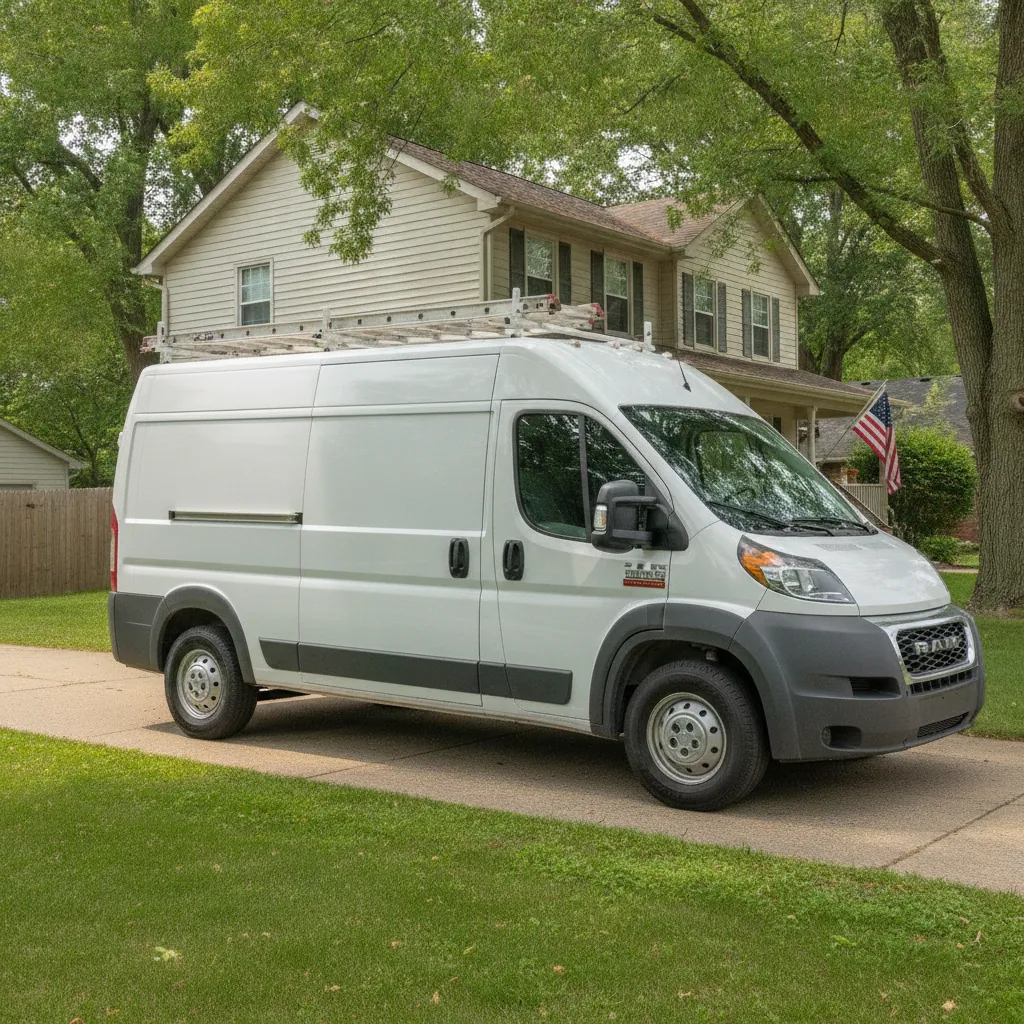
Service in Hours, Not Days
Free estimates on new systems and fast, reliable service from your local Hometown team.