Heating Inspection & Testing in East Central Indiana
Get expert heating inspection & testing in East Central Indiana. We diagnose hidden issues, prevent breakdowns, and ensure your system's safety. Schedule servic
Uncovering Hidden Heating Hazards Across East Central Indiana
Are you noticing a sharp, metallic odor from your vents, hearing a sudden grinding noise when the blower kicks on, or watching your energy bills spike without touching the thermostat? These are clear mechanical red flags that your system is actively struggling and needs a professional diagnostic before a minor failure turns into a dangerous combustion issue or a total breakdown. Hometown Heating & Cooling is ready to deploy veteran-led technicians to pinpoint exactly what is wrong with your heating system right now.
Clear Signs You Need a Professional Heating Inspection
Unexplained Spikes in Utility Bills
When your heating costs surge but your thermostat habits remain exactly the same, your system is working overtime to fight an internal restriction or a failing mechanical component. This drastic drop in efficiency means the equipment is burning significantly more fuel or pulling excess electricity just to maintain a baseline level of comfort in your home. Ignoring this financial symptom guarantees that whatever part is struggling will eventually fail completely under the added stress.Sharp Odors or Exhaust Smells
A faint burning dust smell is entirely normal on the first cold day of the season, but sharp metallic odors, electrical burning smells, or the distinct scent of exhaust point to immediate mechanical or combustion hazards. These harsh odors often indicate melting wire insulation, an overheating blower motor, or a cracked heat exchanger leaking dangerous combustion gases into your living space. You should never ignore strange smells coming from your ductwork, as they are often the final warning before a catastrophic failure or a fire hazard.Grinding, Squealing, or Banging Noises
Modern heating equipment should operate with a steady, quiet hum, making any sudden grinding, rattling, or high-pitched squealing a definitive sign of active mechanical destruction. These aggressive sounds typically mean a blower motor bearing is actively failing, a drive belt is slipping, or an internal component has broken loose and is physically damaging the unit from the inside. Shutting the system down and calling for an inspection is the only way to prevent a noisy nuisance from tearing your equipment apart.Short Cycling and Inconsistent Heat
If your system turns on for just a few minutes before abruptly shutting off without actually warming the room, it is short cycling to protect itself from an unsafe operating condition. This rapid on-and-off behavior destroys your energy efficiency and usually points to severe airflow restrictions, a failing flame sensor, or a malfunctioning control board that is misinterpreting system data. A system that cannot complete a full heating cycle is a system that is actively dying and requires immediate diagnostic testing.Carbon Monoxide Detector Alerts
Even a brief, single chirp from your carbon monoxide detector while the heater is running is a critical, life-threatening emergency that requires immediate evacuation and professional testing. This alarm means your heating system is failing to vent toxic, odorless combustion byproducts properly, almost always due to a completely compromised heat exchanger or a severely blocked exhaust flue. You cannot fix this yourself, and you cannot wait until morning to have the equipment rigorously tested by a certified professional.Common Causes Behind Heating System Failures
Cracked or Compromised Heat Exchangers
Years of expanding and contracting under intense, localized heat can cause the metal of your heat exchanger to fatigue, stress, crack, or rust through completely. Once this vital physical barrier is compromised, it no longer separates the breathable air circulating through your home from the toxic exhaust gases created during the combustion process. Identifying a cracked heat exchanger requires specialized inspection cameras and combustion analysis tools that go far beyond a simple visual check.Severe Airflow Restrictions
Neglected maintenance inevitably leads to thick, suffocating layers of dust, pet hair, and debris coating the blower wheel, the secondary heat exchanger, and sensitive internal safety sensors. This heavy buildup chokes the system of the massive volume of air it needs to operate safely, forcing high-limit safety switches to trip and causing the entire unit to overheat repeatedly. Testing for airflow restrictions involves measuring static pressure across the ductwork to see exactly how hard the motor is fighting to push air.Failing Ignition Systems
The delicate components responsible for actually lighting your burner, like the hot surface igniter or the pilot assembly, degrade rapidly over time due to constant exposure to extreme temperature swings. When these specific parts warp, crack, or build up heavy carbon deposits, the system will fail to ignite the incoming gas safely, leaving you entirely without heat. Our testing process measures the exact electrical resistance of these components to determine if they are on the verge of failing before they leave you freezing.Degraded Electrical Components
Constant mechanical vibration and heavy electrical loads eventually wear down start capacitors, loosen vital wiring connections, and burn out relays on the main printed circuit board. These hidden electrical faults cause intermittent operation, unpredictable system shutdowns, and can even pose a severe fire risk if the failing components are left untested. We use specialized multimeters to test the voltage and microfarad readings of every electrical component to catch these issues early.What to Expect During Your Heating Inspection Visit
When we arrive at your property, our primary goal is to strip away the guesswork and find the exact mechanical or electrical fault compromising your system. We start with a comprehensive visual assessment of the cabinet, burner assembly, and venting to check for obvious signs of scorching, rust, or physical damage. Our technicians then move to the thermostat, verifying that it is communicating correctly with the main control board and accurately reading the ambient temperature in the room.
Next, we deploy advanced diagnostic tools to test the internal components under live operating conditions to see exactly how the system behaves under stress. We measure the electrical draw of the blower motor to check for hidden bearing wear, test the microfarad readings on capacitors, and use specialized meters to ensure all high-limit safety switches are fully operational. This rigorous electrical testing prevents us from blindly swapping parts and ensures we find the root cause of the active failure.
For gas-powered heating systems, we perform a vital combustion analysis to measure fuel pressure, check flame characteristics, and verify that exhaust gases are venting safely outside. We inspect the heat exchanger using specialized cameras to look for microscopic cracks or stress fractures that could allow carbon monoxide to leak into your ductwork. This phase of the inspection is entirely focused on ensuring your equipment is operating safely and not putting your property at risk.
Once the testing is complete, we walk you through a straightforward, no-nonsense breakdown of our findings without relying on confusing technical jargon. Hometown Heating & Cooling will show you exactly which components are failing, explain the underlying cause of the malfunction, and provide a clear, upfront path forward to restore your heat. You will never receive vague guesses or high-pressure sales tactics, just hard data and professional recommendations based on years of fieldwork.
Heating Inspection & Testing Coverage Across East Central Indiana
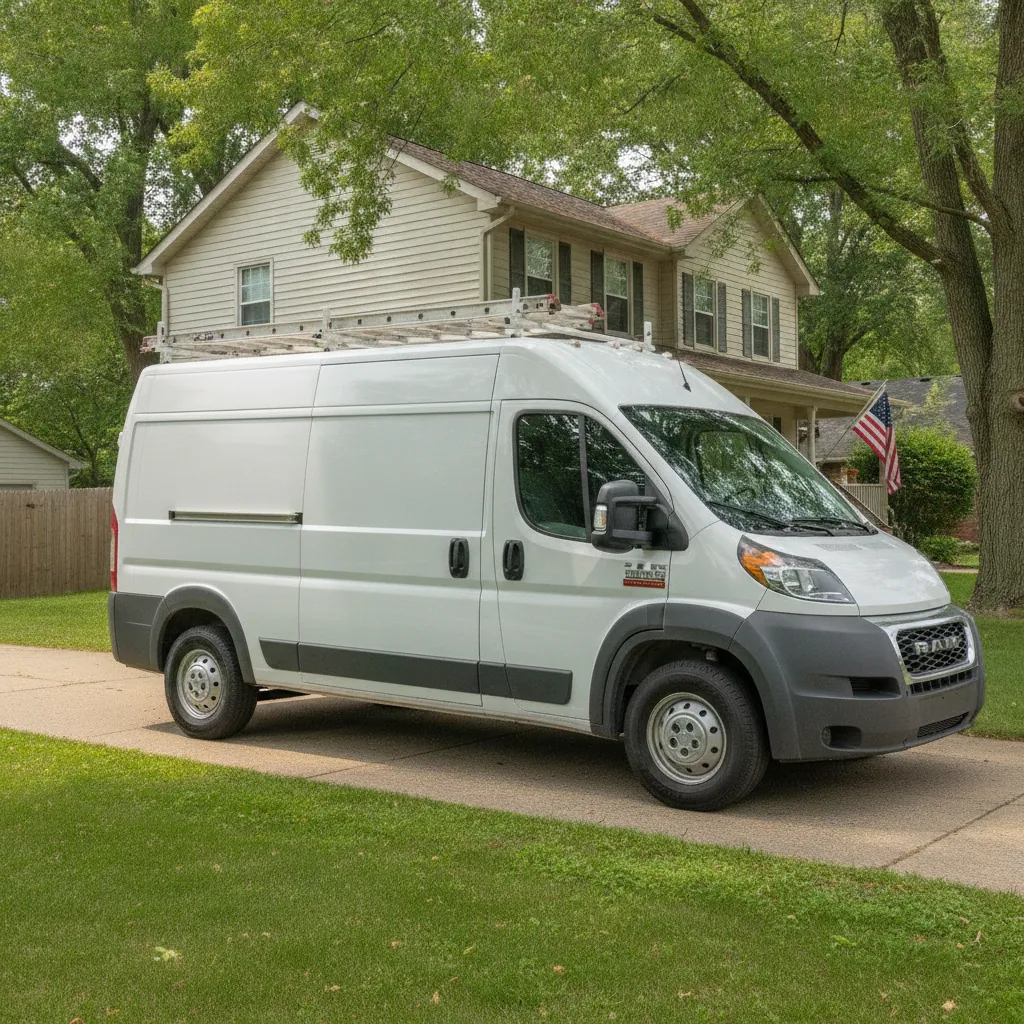
We deploy fully stocked diagnostic vehicles to homes and businesses throughout the region to ensure nobody is left guessing about the safety of their heating equipment. Our veteran-led crews are ready to provide expert heating inspections across the following communities.
Muncie Area: Albany, IN, Eaton, IN, Farmland, IN, Gaston, IN, Muncie, IN, Parker City, IN, Yorktown, IN
Anderson Area: Alexandria, IN, Anderson, IN, Chesterfield, IN, Daleville, IN, Elwood, IN, Fortville, IN, Frankton, IN, Lapel, IN, Markleville, IN, Middletown, IN, Pendleton, IN, Summitville, IN
Outlying East Central Indiana: Fowlerton, IN, Hartford City, IN, Marion, IN, New Castle, IN, Upland, IN
Related Services
A thorough diagnostic test is just the first step in restoring your home's comfort and safety. Depending on the exact failure we uncover during the inspection, your system may require targeted heating repair to replace a broken component, or you might benefit from comprehensive heating maintenance to clean out the severe buildup causing the restriction.
Schedule Your Professional Heating Diagnostic Today
Do not wait for a strange noise or a sharp odor to turn into a complete system breakdown in the middle of a freezing night. An actively failing heater is a safety hazard that requires immediate, professional attention from technicians who understand the complex mechanics of combustion and airflow.
Our veteran-owned team is standing by to bring military precision and hard-earned expertise directly to your mechanical room. Contact Hometown Heating & Cooling today to get your system tested, diagnosed, and secured.
Service in Hours, Not Days
Free estimates on new systems and fast, reliable service from your local Hometown team.